

Sealant, Crack Injection & Concrete Repairs
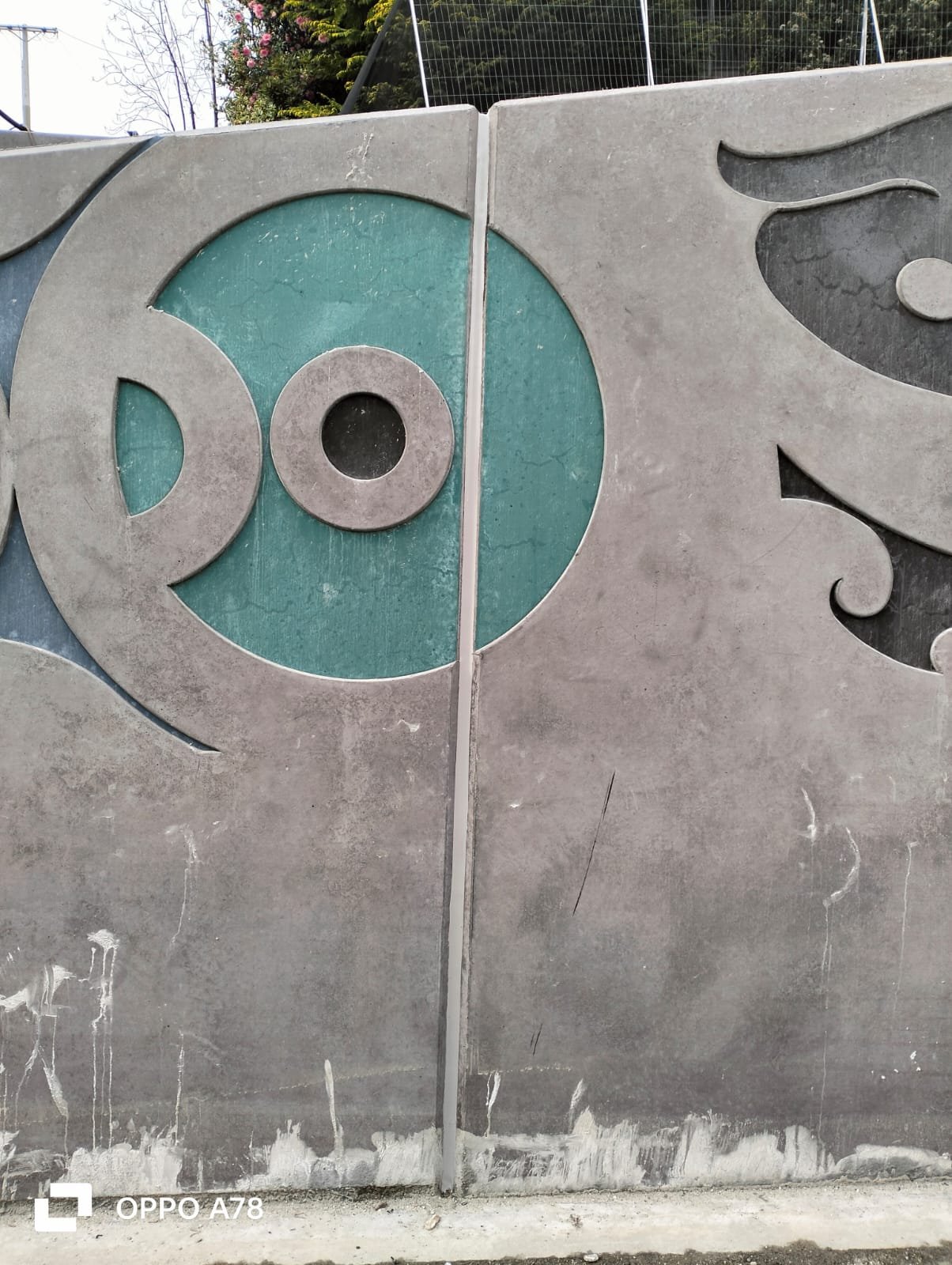
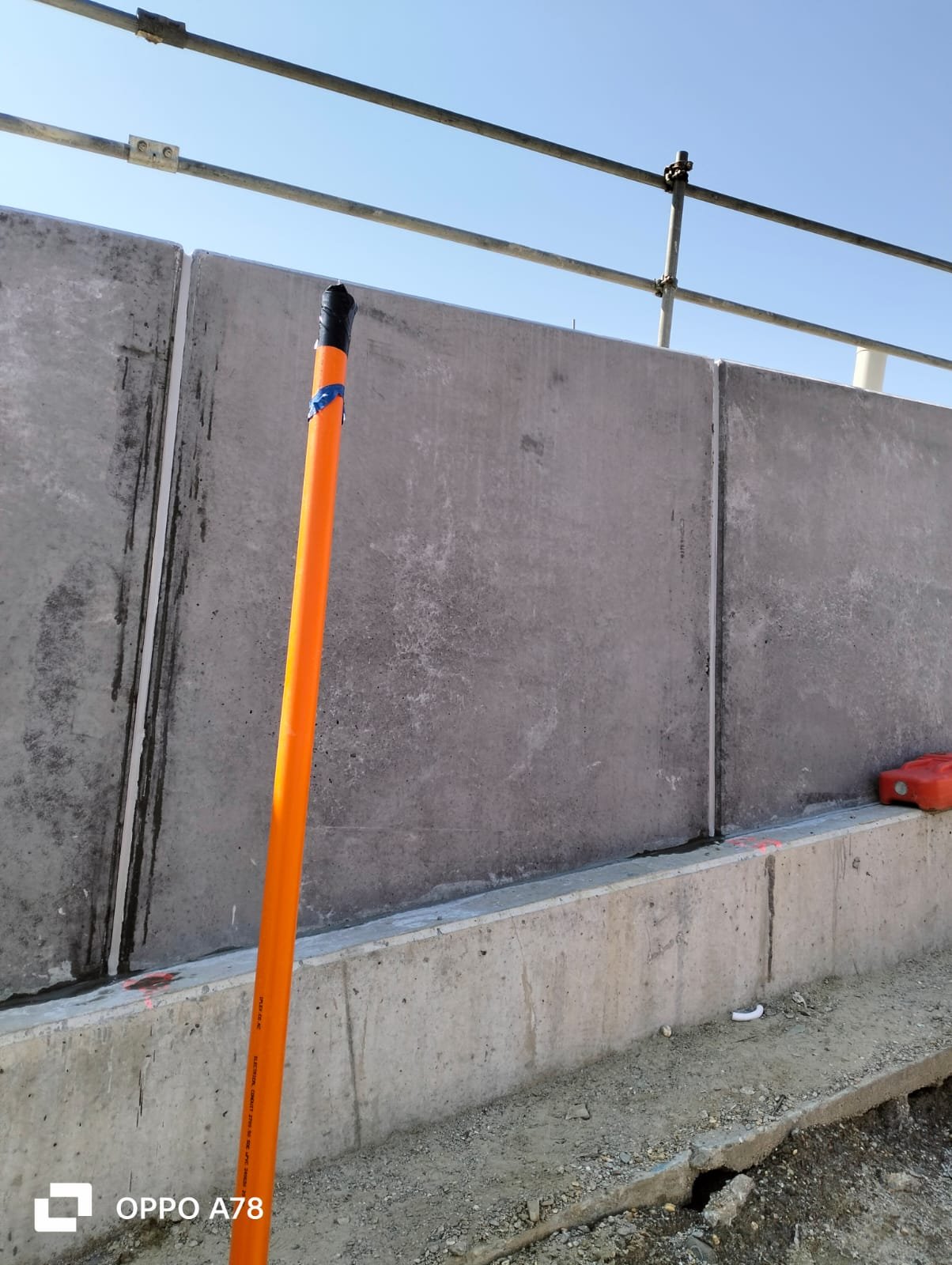
Professional joint sealing, crack injection (epoxy/PU), and concrete repair services for panels, façades, roofs, and structural surfaces. Our process combines proper preparation, premium sealants, and precise injection techniques to restore waterproofing, strength, and flexibility — ideal for both new construction and remedial projects.
Where We Apply
- Concrete cracks: from hairline to larger structural openings
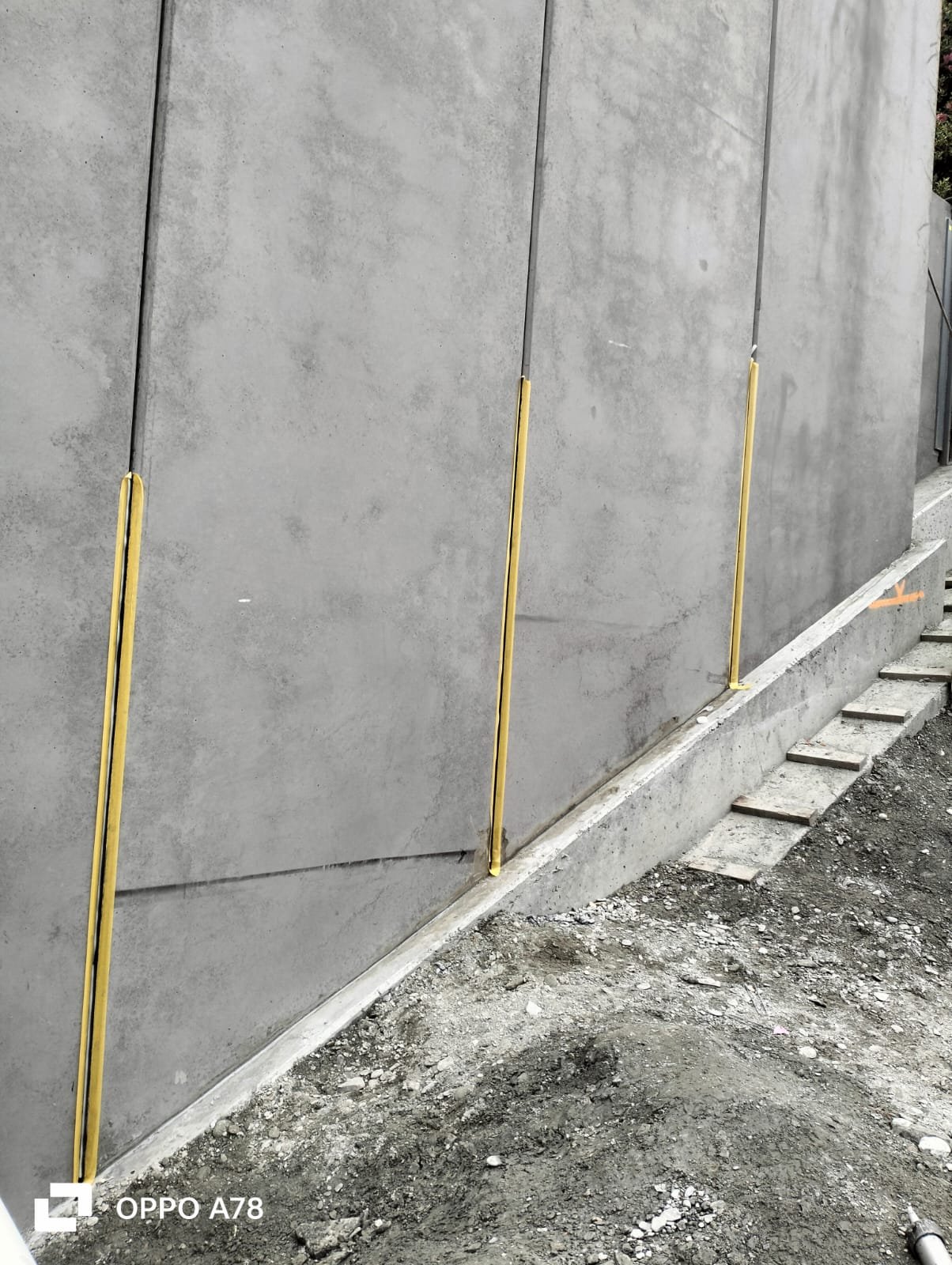
- Expansion & control joints: slabs, tilt-panels, precast, blockwork
- Façades & cladding: flashings, trims, penetrations, sills
- Roofs & gutters: laps, flashings, penetrations, terminations
- Wet areas: wall/floor junctions, showers, balconies, decks
- Window & door perimeters: joints, sills, parapets, and sealing details
Materials & Systems
- Chemical crack injection: epoxy (structural) and polyurethane (flexible/watertight)
- High-performance sealants: MS polymer, neutral-cure silicone, polyurethane
- Backer rod & priming: correct joint geometry for proper movement
- Professional tooling: clean, even finish for long-lasting results
- Compliance: PS3 issued for verified work when required
All products are selected based on substrate, movement, UV exposure, and finish requirements.
How the Work Is Done (Step-by-Step)
- Inspection & Diagnosis: mapping the cracks/joints, identifying leak paths, and selecting the correct method — sealing, epoxy/PU injection, or both.
- Surface Preparation: removing failed sealant, cleaning, drying, degreasing, and priming as required.
- Joint Setup: installation of backer rod and establishing correct joint depth and width to ensure proper sealant movement.
- Crack Injection: drilling small entry points, installing injection ports, and injecting epoxy (for structural repair) or polyurethane (for flexible waterproofing). Pressure and flow are carefully monitored.
- Sealant Application: applying the specified sealant, tooling for a neat finish and perfect bond to edges.
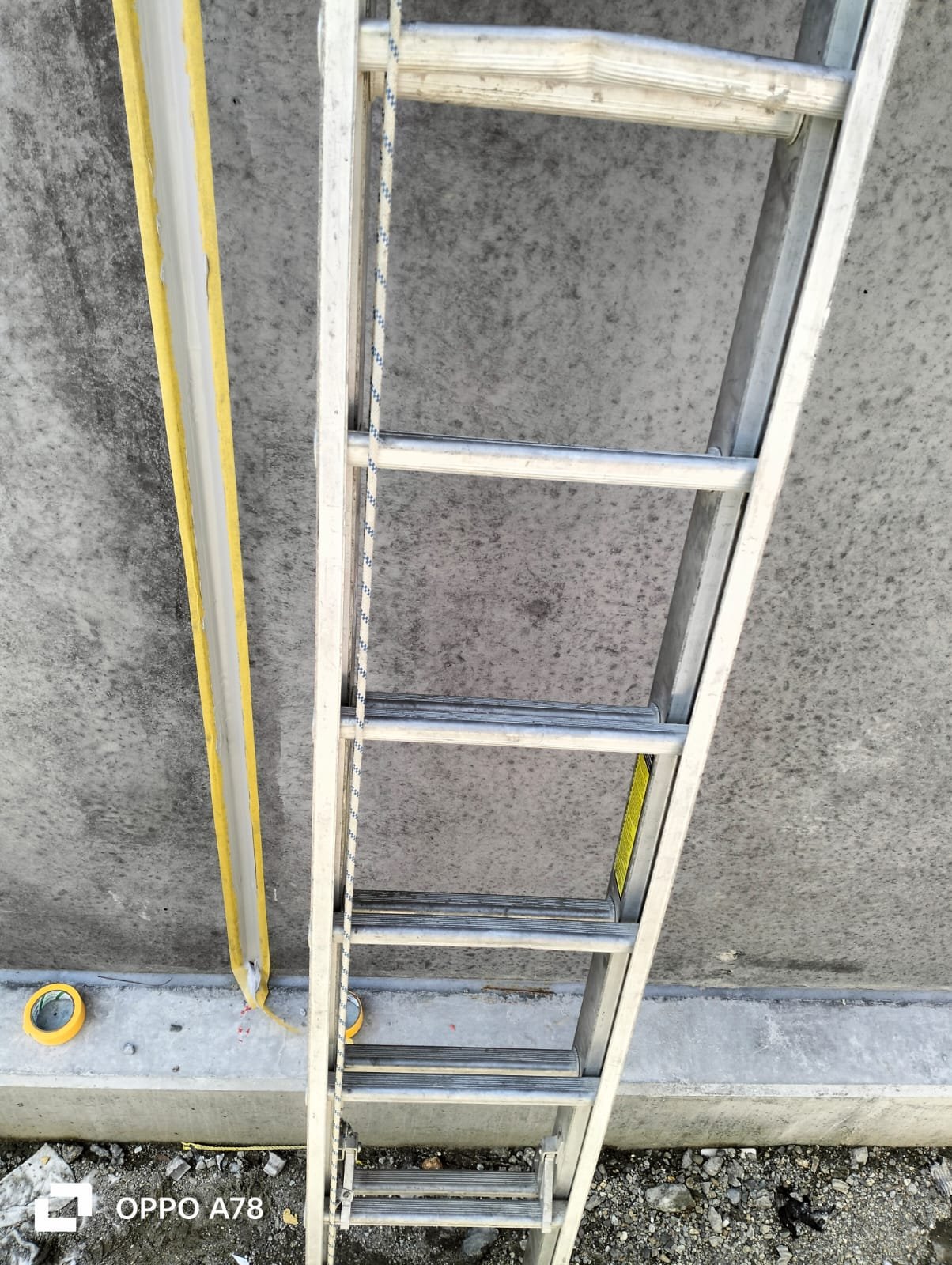
- Finishing & Cleanup: removing masking tape, cleaning the area, and inspecting for uniformity and adhesion.
- Quality Check & Documentation: visual inspection, adhesion testing, PS3 issuance, and photo documentation (if required).
Safety first — dust control, PPE, proper ventilation, and area isolation are used during all chemical processes.
Timing & Cure
Timeframes vary depending on scale, weather, and access. Typical curing times:
- Sealants: skin forms within 30–90 minutes; full cure in 24–72 hours.
- Epoxy injection: initial cure 6–24 hours; full structural cure per technical sheet.
- PU injection: reacts rapidly with moisture; waterproof check performed post-cure.
Guarantees & Limitations
- Project-specific warranty provided based on exposure and system used.
- Movement beyond design limits requires proper joint geometry and sealant selection.
- Complex leaks may require combined interventions (drainage, membranes, flashing repair).
PS3 documentation is available for verified work upon request.
Why Choose Canseal
- Nearly 15 years in waterproofing and concrete repair
- Qualified applicators, clean sites, reliable scheduling
- High-quality products and proven methods
- Tailored guarantees and full insurance cover
- Local and responsive team serving Christchurch & Canterbury
Service Area
Christchurch, Selwyn, Waimakariri, Hurunui, Timaru, Ashburton, Banks Peninsula, and wider Canterbury.
We can work after-hours or in stages to coordinate with other trades.
Frequently Asked Questions
Epoxy vs PU — what’s the difference?
Epoxy is rigid and structural; used to bond and reinforce cracks. PU is flexible and excellent for stopping active water ingress.
How long do repairs last?
Durability depends on movement, exposure, and preparation. We use systems designed for long-term performance.
Can you colour-match the sealant?
Yes — most MS polymer and silicone systems are available in multiple colours to match joinery or façade finishes.
Do you provide PS3 documentation?
Yes. For verified repair work tied to a building consent, PS3 documentation can be supplied upon completion.
Request a Quote
Tell us about your crack, joint, or leak — our team will recommend the best repair method and system for long-lasting results.
Phone: +64 21 0222 2295 | Email: info@cansealnz.com